
To decide what to sell on Etsy in 2026, follow live demand instead of recycled idea lists. The categories pulling steady sales are personalized jewelry, custom apparel, digital downloads, textured home decor, party paper goods, and baby items. Check current search and sales signals for a niche before you list, then enter where demand is rising and competition stays thin.
Most “what to sell on Etsy” articles hand you the same 15 ideas every year. The problem is that a product worth listing in early 2025 can be flooded with 40,000 near-identical listings by the time a stale post reaches you. The shops that win track what buyers want this month, not last year. This guide shows you the categories with real momentum heading into 2026, plus a repeatable way to confirm demand before you spend a dollar on inventory or design time.
How to find what to sell on Etsy with real demand data

The fastest way to find what to sell on Etsy is to start from buyer behavior, not from your own taste. Three signals tell you whether a product has room: search volume (are people looking for it), sales velocity (are listings actually moving), and listing saturation (how many sellers already compete). A niche with rising searches and few quality listings is the opening you want.
Etsy is large enough that small niche gaps still exist. As of December 31, 2025, Etsy reported 5.6 million active sellers and roughly 86.5 million active buyers across its marketplace, according to Statista. That many buyers means even a narrow product can find an audience, but it also means broad categories are crowded. Your edge comes from going specific and timing your entry.
📈 Trend Signal
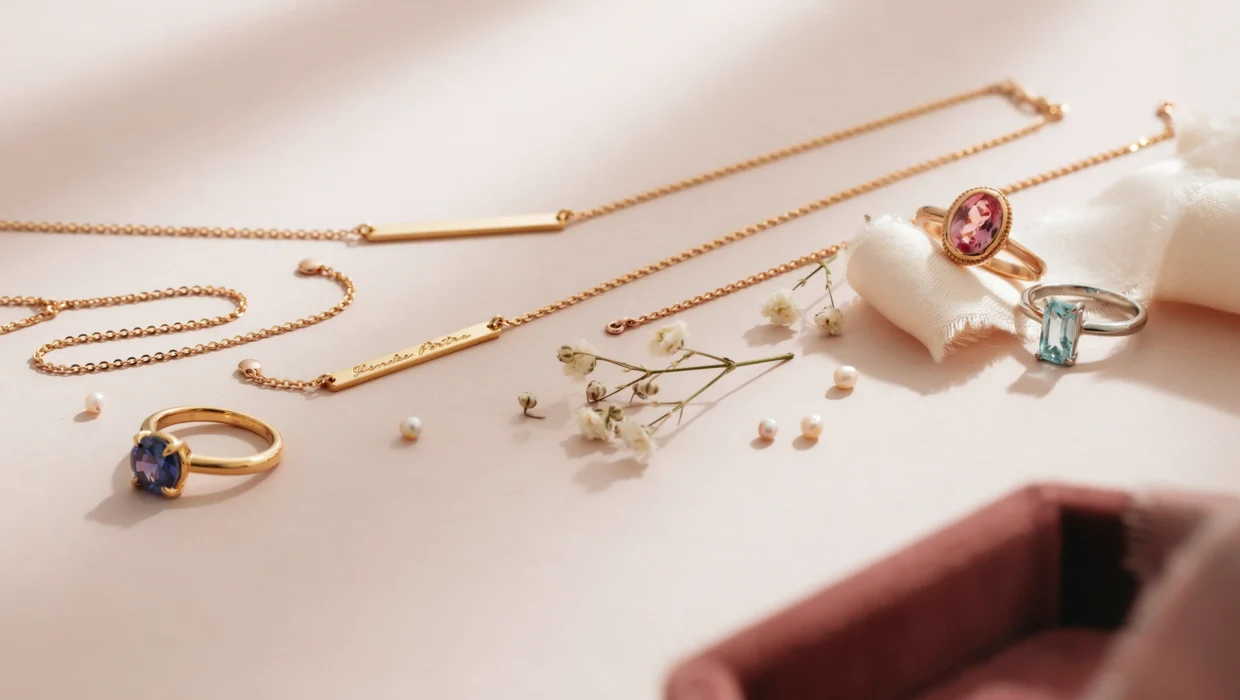
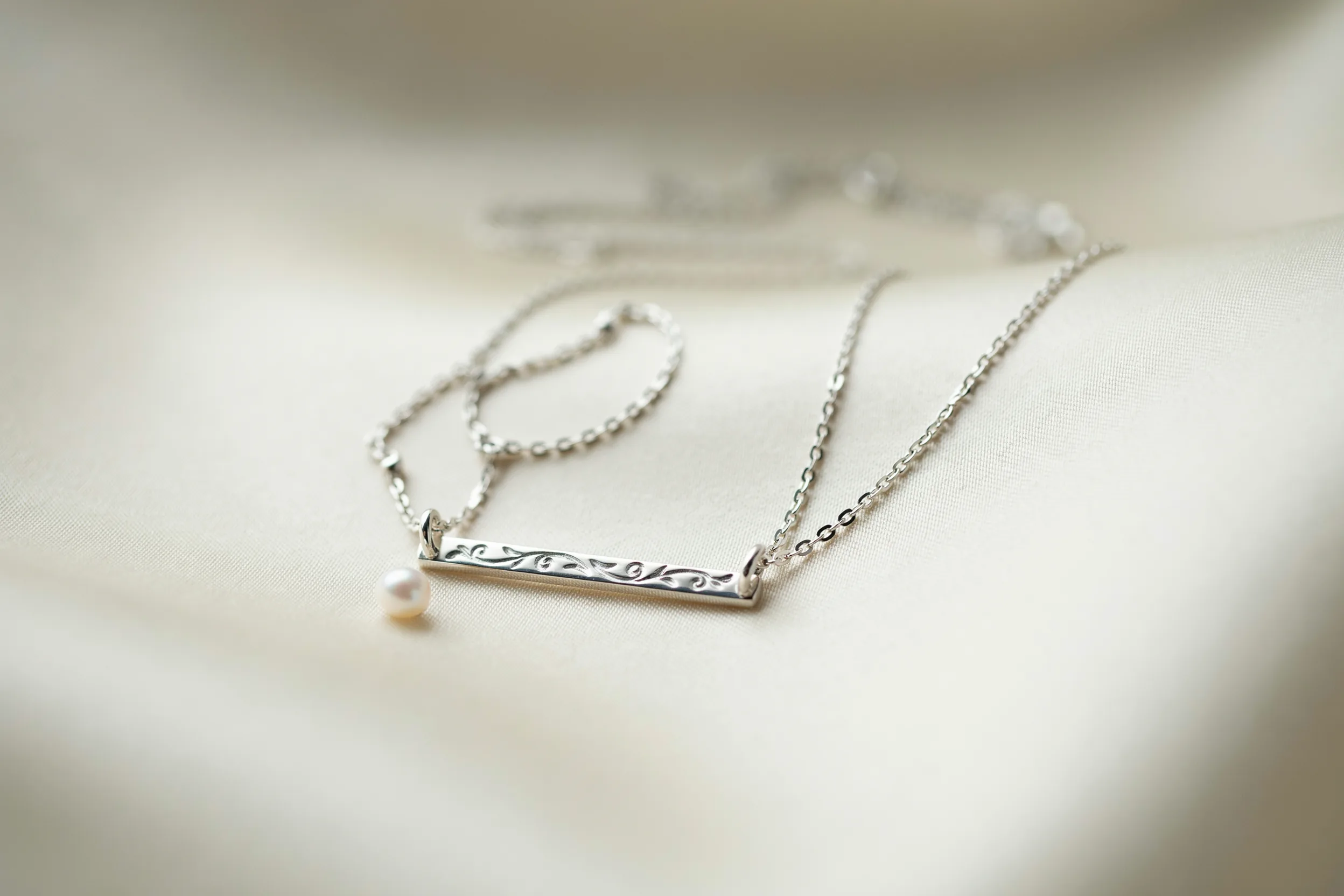
Personalized gifts has been the most-searched theme on Etsy, with engraved jewelry, name wall art, and custom mugs spiking sharply from October through November as holiday shoppers look for items that feel made just for them. If you sell anything customizable, building your assortment and ad budget around that seasonal climb matters more than the product itself.
Before committing to any idea below, run it through a quick demand check. You can do this manually with Etsy search and a spreadsheet, or speed it up with a tool built for it. Our walkthrough on Etsy product research breaks down the manual method step by step.
Which of these categories fits your situation
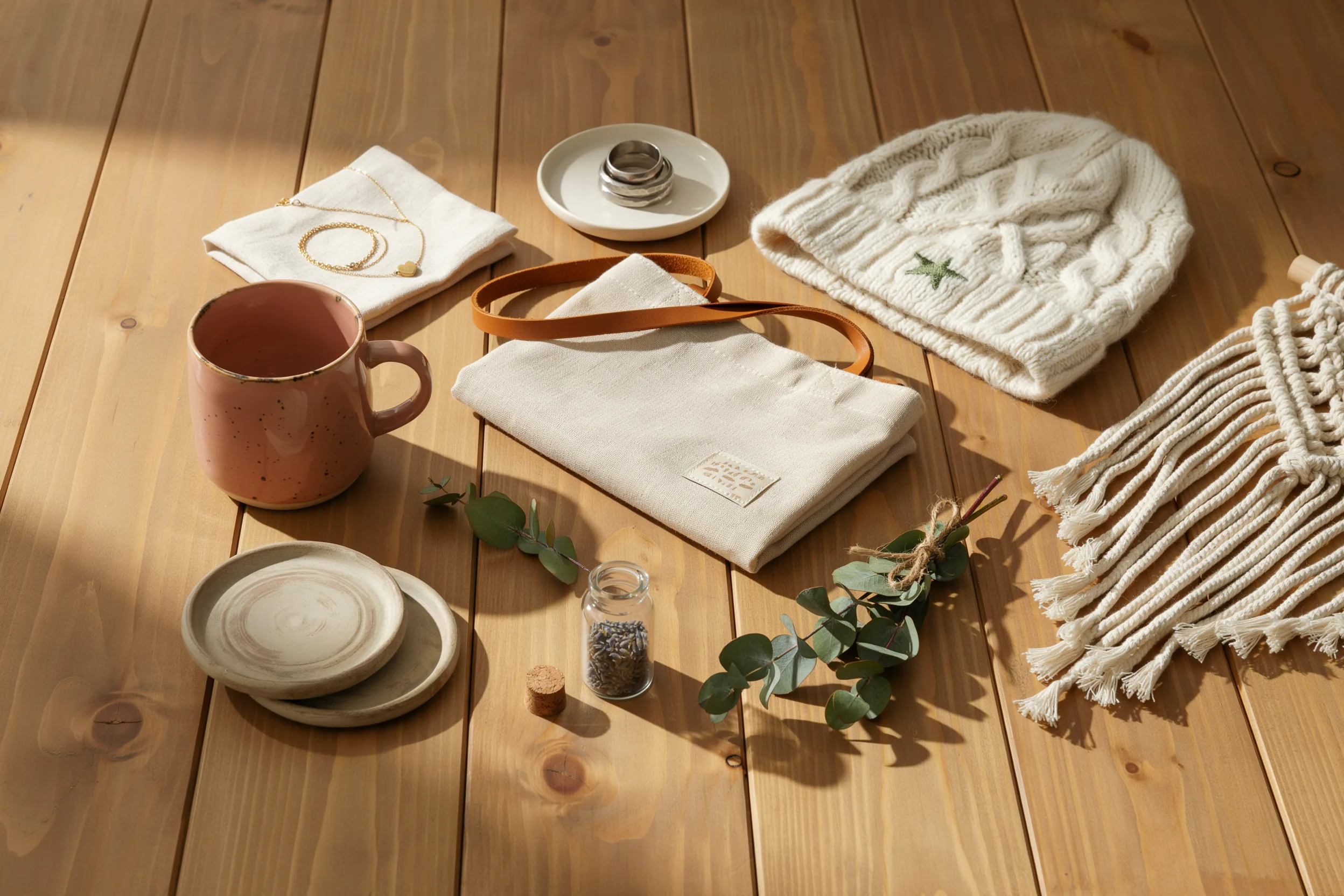
Six categories carry most of Etsy’s volume: personalized jewelry, custom apparel and print on demand, printables and digital downloads, textured home decor, party and paper goods, and baby and kids. Knowing that list is the easy part. The harder question is which of them matches the money, time and equipment you actually have, because a category that rewards a full time maker with a laser cutter will bury someone working two evenings a week with a laptop.
If you want the full breakdown of what each category sells, how buyers behave inside it and how crowded it is, read our guide to the best selling items on Etsy. The table below answers the other half of the question: which one fits you.
| Category | Startup cost | Skill or equipment | Work per order | Best fit if |
|---|---|---|---|---|
| Printables and digital downloads | Very low | Design software such as Canva or Illustrator | None, the file delivers itself | you have design skill and want no shipping, restock or breakage |
| Custom apparel and print on demand | Low | Graphic design plus a print partner account | None, the supplier prints and ships | you want physical products without holding inventory |
| Party and paper goods | Low to moderate | Layout skill and a reliable colour printer | Light assembly and careful packing | you can batch work around events and fixed deadlines |
| Personalized jewelry and accessories | Moderate to high | Engraving equipment or a dependable engraving partner | Per item customization on every order | you can handle made to order work and gift season peaks |
| Baby and kids | Moderate | Sewing or embroidery, plus safety labelling knowledge | Made to order, often with size variants | you can meet safety rules and want repeat gift buyers |
| Home decor with texture | Moderate to high | A craft technique such as tufting, weaving or ceramics | Slow production and bulky, fragile shipping | you can price high enough to absorb shipping and breakage |
Read that table top to bottom and a pattern appears. The categories at the top cost almost nothing to enter and demand nothing of you once an order lands, but that same low barrier is why they are the most crowded places on Etsy. The categories at the bottom ask for equipment, materials and hours per order, and the reward for that friction is far fewer sellers competing for the same buyer.
One fee detail changes the maths at the cheap end. Etsy charges $0.20 per listing and that listing expires after four months, so a large catalogue of low priced items carries a standing cost whether it sells or not. At a $4 median price that fixed fee is a meaningful share of every sale; at $40 it barely registers. Factor it in before you plan a thousand item printables shop.
🔢 Quick Numbers
- 5.6 million active sellers and about 86.5 million active buyers on Etsy as of December 2025 (Statista)
- Etsy marketplace gross merchandise sales reached roughly $11.9 billion in 2025 (Statista)
- Print on demand market projected to grow from $10.8B in 2025 to $57.5B by 2033, a 23.6% CAGR (Grand View Research)
How to validate demand before you list
Picking a category is the easy part. Confirming that a specific product will sell is what separates a profitable shop from a dead one. Run every idea through these four checks before you build it.
1. Check search volume. Type your product phrase into Etsy search and read the autocomplete suggestions. Those are real queries buyers type. If your exact product never appears, demand may be thin or worded differently.
2. Read the competition honestly. Look at how many listings already match your idea and how good they are. A handful of weak listings is an opening. Tens of thousands of polished ones is a wall.
3. Confirm sales are happening. A product can have searches but no buyers. Look for listings with recent reviews and “bestseller” badges, which signal that money is actually changing hands, not just window shopping.
4. Watch the trend direction. A niche flat or fading is riskier than one climbing, even if the climbing one is smaller today. You want to enter on the way up.
You can do all four by hand, but it is slow across dozens of ideas. Tracking live best-sellers and demand trends across categories is exactly what we built Podkon for, and you can see the kind of data it surfaces in a sample report before committing to a single product.
Here is how the six categories compare at a glance for a seller deciding where to start.
Etsy category snapshot for 2026
| Category | Demand signal | Competition | Best for |
|---|---|---|---|
| Personalized jewelry | High, gift-driven | Very high | Sellers with a clear occasion niche |
| Custom apparel / POD | High, evergreen | Very high | Designers targeting tight communities |
| Digital downloads | High, year-round | High | Sellers wanting high margin, no shipping |
| Textured home decor | Strong, seasonal peak | Medium | Makers of handmade physical goods |
| Party and paper goods | Steady, event-driven | Medium | Sellers owning one party theme |
| Baby and kids | Stable, gift-driven | Medium | Personalized keepsake sellers |
Match the product to your own situation
The right answer to what to sell depends as much on you as on the data. If you want zero inventory and high margins, start with digital downloads or print on demand. If you make things by hand and enjoy it, textured decor and personalized keepsakes reward craft. If you have a design skill but no maker space, apparel and printables fit best.
Whatever you pick, go narrow first. A shop known for one specific thing ranks and converts better than one selling a bit of everything. You can always expand once a niche proves itself with real orders. To keep an eye on which niches are heating up, our running coverage of current Etsy trends is updated as the data moves.
📌 Did You Know?
Etsy marketplace gross merchandise sales sat near $11.9 billion in 2025, down about 5.3% year over year, according to Statista. A softer overall market makes niche selection more important, not less, because broad demand is no longer lifting every shop automatically.
Pricing also shapes which products are worth your time. Physical goods carry materials, packaging, and shipping that eat into thin margins, while digital files keep nearly all of the sale price after Etsy fees. Map your chosen category against the time and cost each order takes, not just its sticker price, so you are building toward profit and not only revenue.
See what’s selling on Etsy right now
Category lists go stale fast, but demand changes every week. Podkon tracks live Etsy best-sellers and trends across every category, so you can spot demand before you list.
✅ Key Takeaways
- Start from live buyer demand, not a recycled list of product ideas.
- The strongest 2026 categories are personalized jewelry, custom apparel, digital downloads, textured home decor, party goods, and baby items.
- Personalization and gifting drive premium pricing across almost every category.
- Validate each idea with four checks: search volume, competition, real sales, and trend direction.
- Go narrow first, prove the niche with orders, then expand.