

The best Etsy tools in 2026 cover seven jobs: product and trend research, keyword and SEO, listing optimization, analytics, bookkeeping, print on demand, and design. Most sellers run three or four of them, not all seven. Start with a research tool that shows live demand, then layer in SEO and design as your shop grows.
There are dozens of apps fighting for your subscription, and the marketing for each one sounds nearly identical. What separates a useful tool from an expensive habit is whether it answers a real question you have right now: what should I make next, why is this listing not ranking (Etsy covers the fundamentals in its Seller Handbook), or where is my money going (the Etsy fees policy lists every charge). This guide groups the main options by the job they do, with approximate pricing as of 2026 so you can build a stack that fits your stage and budget.
How to choose Etsy tools without overspending

Pick tools by the question you are stuck on, not by feature count. A brand new shop with ten listings does not need a $49 per month bookkeeping platform. An established shop pushing 500 orders a month does. Match the spend to the bottleneck.
Three quick rules keep your stack lean. First, never pay for two tools that do the same job, most keyword tools overlap heavily. Second, use free tiers and trials to test fit before you commit annually. Third, separate research tools (what to make) from execution tools (how to list and ship), because mixing them is where budgets balloon.
💡 Seller Tip
A common move among sellers who stay profitable is to audit their subscriptions every quarter. Open your billing list, and for each tool ask “what decision did this help me make in the last 90 days?” If you cannot answer, cancel it. Most shops only touch two or three tools weekly, even when they pay for six.
The seven jobs your Etsy tool stack covers
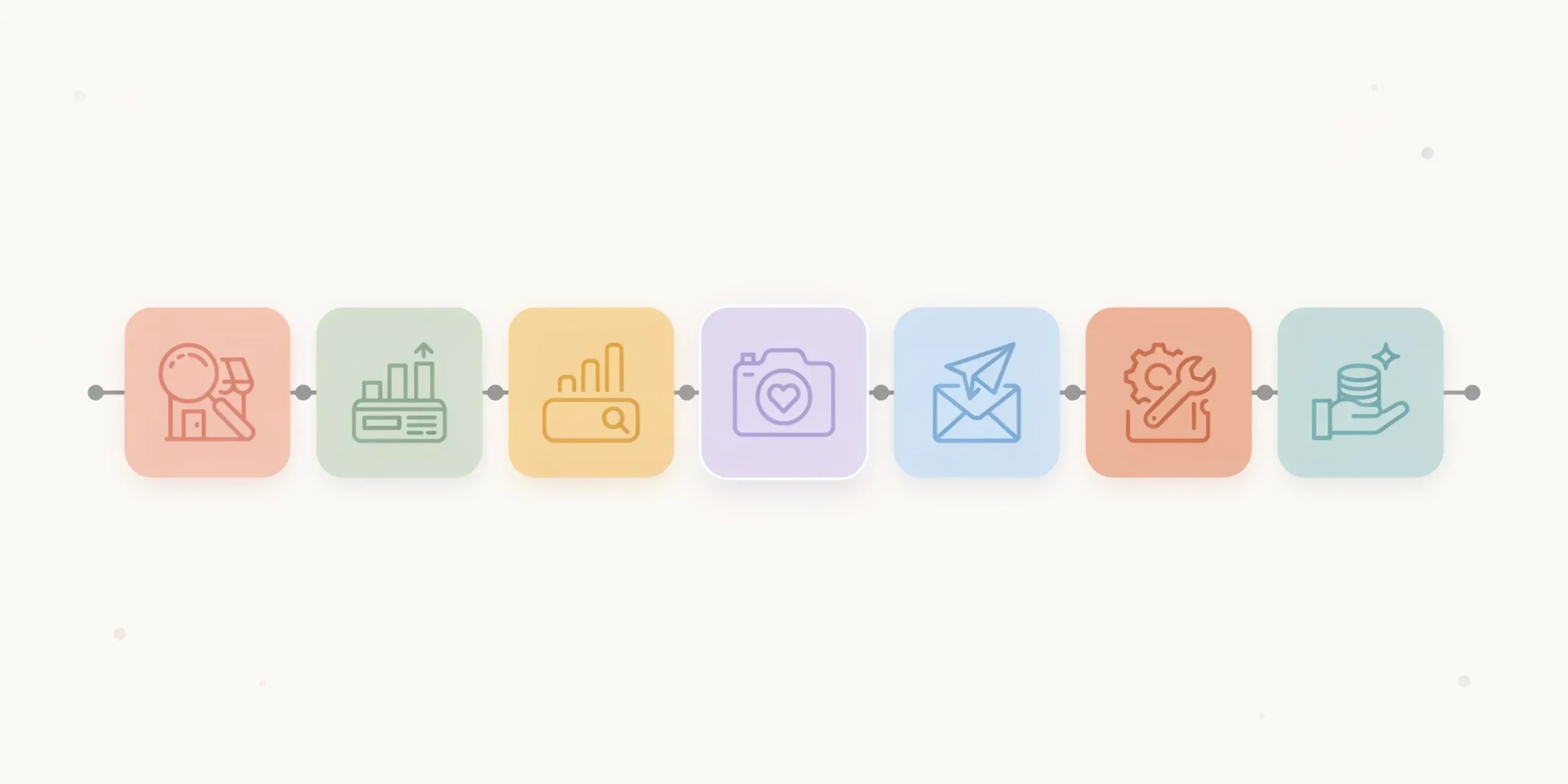
Before comparing brands, it helps to see the categories. Each one solves a distinct problem, and a single tool rarely does two of them well.
- Product and trend research: finding what buyers want right now, before you invest in stock or designs.
- Keyword and SEO: discovering the exact phrases shoppers type so your listings get found.
- Listing optimization: auditing titles, tags, and photos against best practice.
- Analytics: tracking views, conversion, and which products carry the shop.
- Bookkeeping and inventory: knowing your true cost of goods and real margin.
- Print on demand: producing and shipping products without holding stock.
- Design: creating listing images, mockups, and digital products.
Etsy seller tools compared at a glance

Here is how the most widely used tools line up by job, free access, and entry price. Figures are approximate and current as of 2026, so confirm on each provider’s site before subscribing.
| Tool | Best for | Free plan | Starting price |
|---|---|---|---|
| Podkon | Live best-seller and trend data | Free trial | See podkon.com/pricing |
| eRank | Etsy SEO and keyword research | Yes, 5 searches per day | From about $6 per month |
| Marmalead | Deep keyword and SEO analysis | No, 14-day trial | About $19 per month |
| EverBee | Product research and sales estimates | Yes, Hobby plan | From about $20 per month |
| Alura | All-in-one research and listing help | Yes, 5 searches per day | From about $16 per month |
| Sale Samurai | Keyword volume and bulk listing | No, free trial | About $10 per month |
| Craftybase | Inventory and bookkeeping | No, 14-day trial | From about $49 per month |
| Printify | Print on demand, beginners | Yes, free to start | $0, Premium about $39 per month |
| Printful | Print on demand with branding | Yes, pay per order | $0, Growth about $25 per month |
| Canva | Design, mockups, digital products | Yes, permanent free plan | Pro about $15 per month |
Product and trend research tools
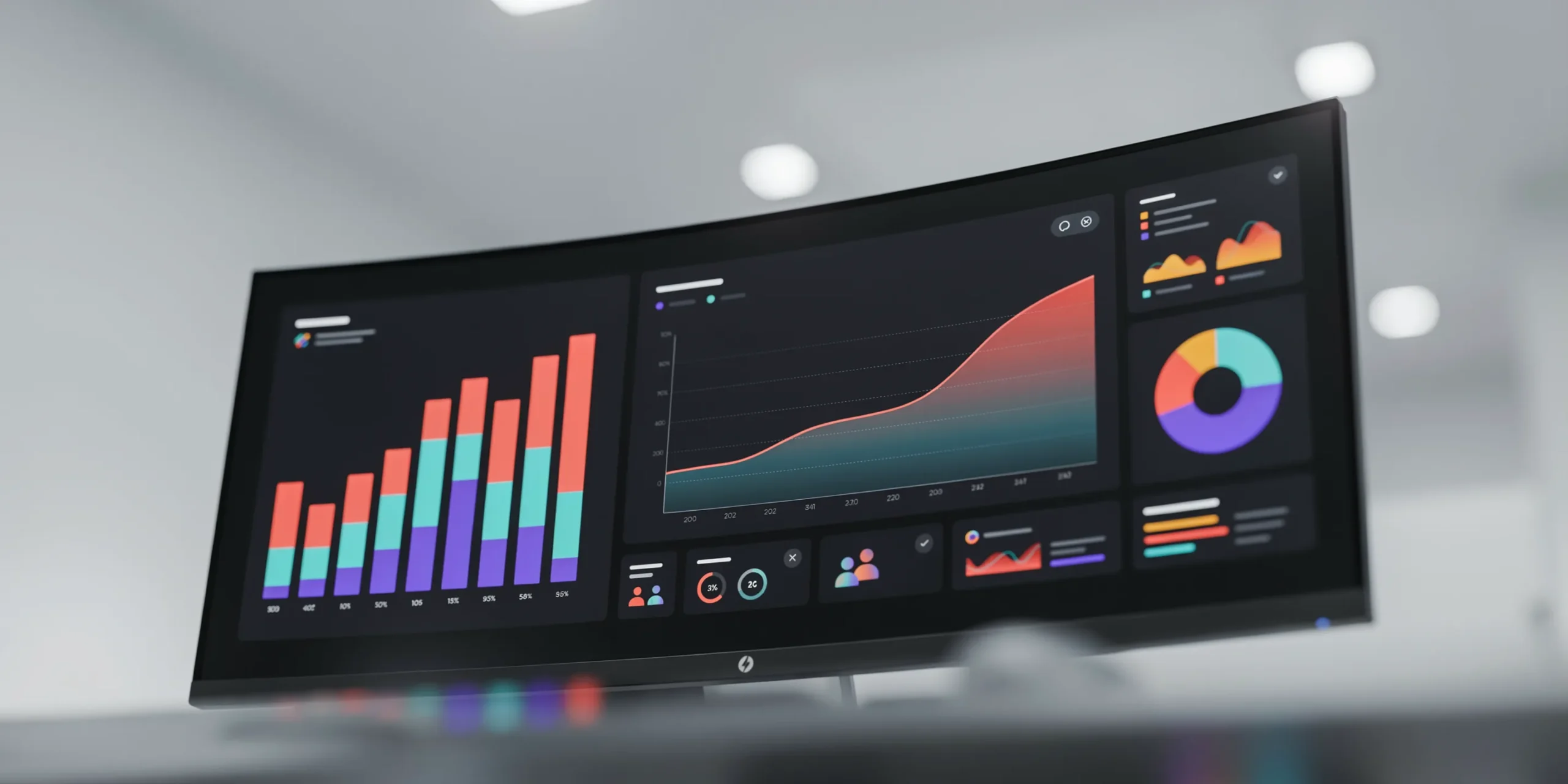
This is the job that decides everything downstream. If you make the wrong product, no amount of SEO saves it. Research tools answer one question: what is selling right now, and is demand rising or fading?
Podkon sits in this category as a live best-seller and trend data tool. Instead of static “20 ideas for 2026” lists that go stale the week they publish, it tracks what is moving across Etsy categories so you can spot demand before you commit to a design or inventory order. That timing matters, because by the time a niche shows up in a roundup blog, the early sellers have already captured the search volume. For a deeper walkthrough of the process, see our guide to Etsy product research.
EverBee is the popular Chrome extension that estimates monthly sales and revenue on individual listings, useful for sizing up a niche or a specific competitor. Alura bundles product research with keyword and listing tools, which appeals to sellers who want fewer separate logins. Both lean on estimates, so treat their sales numbers as directional rather than exact.
📈 Trend Signal
Etsy’s core marketplace decreased from over nine million sellers in 2023 to about 5.6 million active sellers by the end of 2025, according to Etsy’s full-year 2025 results. Fewer sellers chasing the same buyers means the shops that read demand correctly capture a larger share, which is exactly why live data beats guesswork in a tightening market.
Keyword and Etsy SEO tools
Once you know what to make, SEO tools tell you the words buyers actually type. Etsy search rewards titles and tags that match real queries, so guessing your keywords leaves traffic on the table.
eRank is the most widely used option and the friendliest on price, with a genuine free tier that allows five keyword searches a day and paid plans starting around $6 per month. It covers keyword research, listing audits, and competitor tracking, making it a solid first SEO tool for most shops. Marmalead goes deeper on keyword grading and search trends, priced near $19 per month with no permanent free plan, and it suits sellers who want detailed data on every phrase. Sale Samurai focuses on real-time search volume and bulk listing creation at roughly $10 per month, which helps shops optimizing many listings at once rather than one at a time.
If you are newer to search optimization, pair any of these with our Etsy SEO guide so the data the tools give you actually lands in the right fields.
💡 Seller Tip
You do not need two keyword tools. Pick one and learn it well. eRank’s free tier handles most beginner research, and you can upgrade or switch to Marmalead or Sale Samurai only when daily search limits start slowing you down. Running all three at once is wasted spend.
Listing optimization and analytics
Listing tools check your titles, tags, and photos against what ranks, then flag gaps. Most keyword tools include this, eRank and Alura both audit listings, so you rarely need a separate subscription for it. The value is in fixing the flags, not collecting more of them.
Analytics is partly free already. Etsy’s own Shop Stats show views, visits, conversion rate, and search terms inside your dashboard, which is the first place to look before paying for anything. Beyond that, research tools like Podkon and EverBee add outside context: how your products compare to live category demand, not just your own history. The combination tells you whether a slow week is your listing or the whole niche cooling off.
Print on demand tools
If you sell mugs, shirts, posters, or other physical products without holding stock, a print on demand provider handles production and shipping when an order comes in. The two leaders both start free.
Printify is usually the better entry point because its base plan costs nothing and lets you connect multiple stores, with a Premium tier near $39 per month that adds bigger catalog discounts. Printful is also free to start and you pay per product as orders arrive, with a Growth plan around $25 per month, and it leans toward sellers who want branding options like custom labels. The two announced a merger in November 2024 and in December 2025 folded into a single parent company named FYUL, but they still run as separate platforms with their own catalogs, so compare product quality and base costs for the specific items you plan to sell.
🛍️ Real Example
A common print on demand mistake is picking a niche by gut, ordering nothing, and listing 50 designs that never sell. The shops that win do the reverse: they confirm a niche has live demand first, order one sample to check quality, then scale only the designs that match what buyers are already searching. Research before production, not after.
Design tools and bookkeeping

Design and money are the two jobs sellers underrate. Your listing photos are the first thing a shopper judges, and your margin is the only number that decides whether the shop is worth running.
On design, Canva covers most of what an Etsy seller needs. Its permanent free plan handles listing graphics, banners, and simple digital products, while Canva Pro at about $15 per month adds the background remover, brand kit, and bigger template library. For many shops it doubles as the production tool for digital downloads, which is one of the lower-overhead things you can sell. If you are weighing categories, our breakdown of what to sell on Etsy covers where digital products fit.
On bookkeeping, Craftybase is the specialist. It tracks raw materials, calculates true cost of goods sold, and reports real margin, which matters most for handmade sellers juggling many components. Plans start around $49 per month with a 14-day trial and no free tier, so it earns its place once your order volume makes spreadsheet tracking painful, not before.
🔢 Quick Numbers
- Etsy’s core marketplace had about 5.6 million active sellers and 86.5 million active buyers at the end of 2025 (Etsy FY2025 results).
- Across its ecosystem, Etsy connected roughly 8.1 million active sellers to 95.5 million active buyers in 2024 (Etsy 2024 annual report).
- Etsy reported 93.5 million active buyers across its whole ecosystem at the end of 2025 (Etsy FY2025 results).
Which Etsy tools do you actually need?
For most shops, a lean stack beats a crowded one. A brand new seller can start with three free tools: Etsy’s own Shop Stats, eRank’s free tier for keywords, and Canva’s free plan for images, plus a research tool to confirm demand before listing. That covers research, SEO, and design at near zero cost.
As you grow, add spend where it pays back. Print on demand sellers bolt on Printify or Printful. Shops scaling past a few hundred orders a month add Craftybase to protect margin. Sellers serious about reading the market upgrade their research tool so they are acting on live demand rather than last year’s trend lists. The point is to add tools when a real bottleneck appears, not to assemble the full set on day one.
See what’s selling on Etsy right now
The tools above help you list, ship, and design, but they cannot tell you what to make next. Podkon tracks live Etsy best-sellers and trends across every category, so you can find your next product before the niche gets crowded. Compare plans on the features page.
✅ Key Takeaways
- Choose tools by the question you are stuck on, not by feature lists, and never pay twice for the same job.
- Start free: Etsy Shop Stats, eRank’s free tier, and Canva’s free plan cover research, SEO, and design at near zero cost.
- For keywords, pick one tool. eRank suits most beginners, Marmalead and Sale Samurai fit higher-volume shops.
- Printify and Printful both start free, so test product quality on a sample before scaling designs.
- Add Craftybase for true margin tracking once order volume makes spreadsheets painful.
- Product research decides everything downstream, so prioritize live demand data over static trend roundups.