

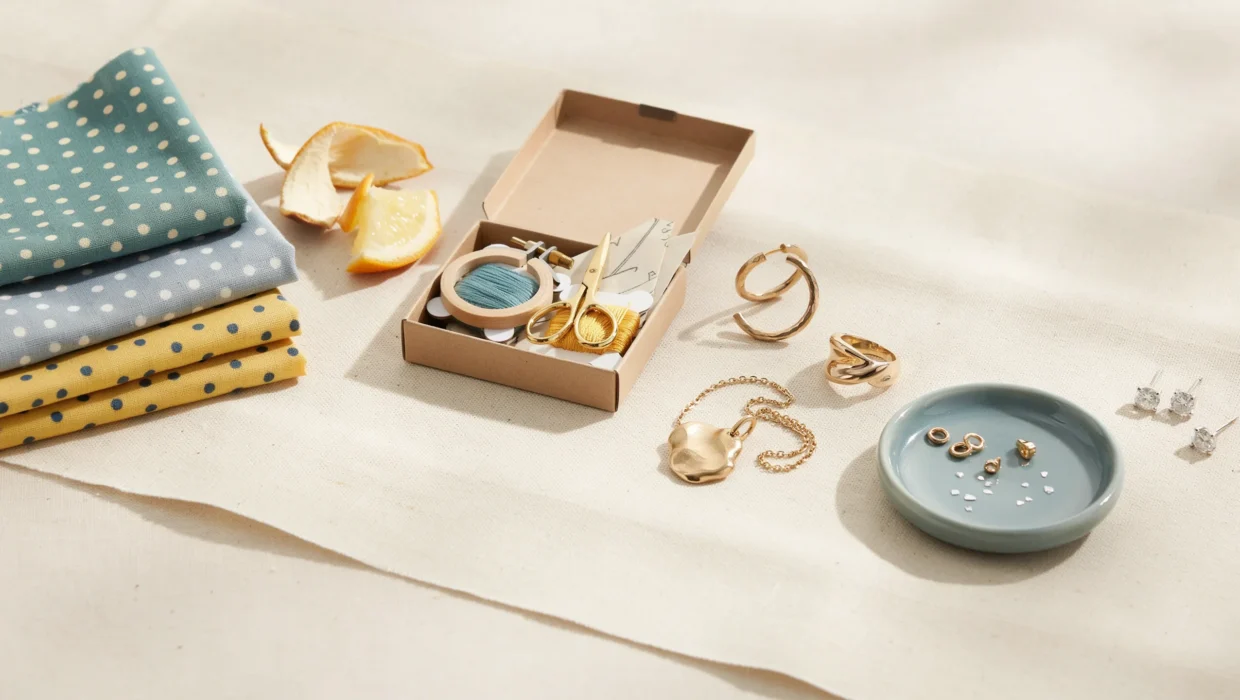
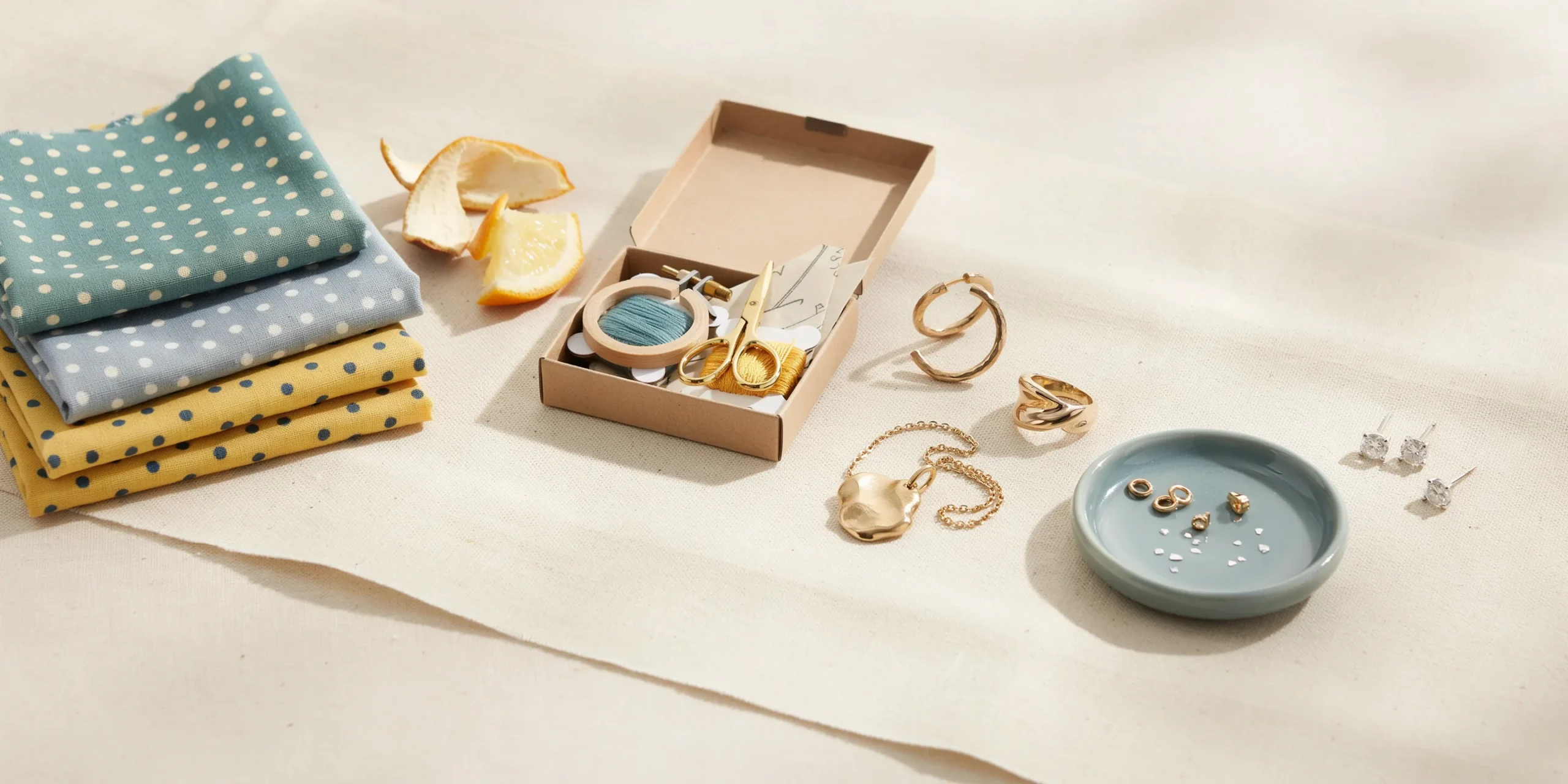
The trending products on Etsy right now lean into expressive personalization and tactile craft: polka-dot everything, hobby and craft kits, sculptural gold jewelry, lab-grown diamond pieces, and cottagecore home decor in teal, Patina Blue, and citrus tones. The real skill is spotting which of these are still climbing before the category fills with copycats.
Most “what’s hot” lists tell you what already peaked. By the time a product shows up on ten different roundups, the niche is crowded and prices are getting squeezed. This guide takes a different angle: what is gaining momentum right now, why it is moving (seasonal and macro reasons), how to separate a durable trend from a flash-in-the-pan fad, and how to act on live demand before the window closes.
What Products Are Trending on Etsy Right Now?
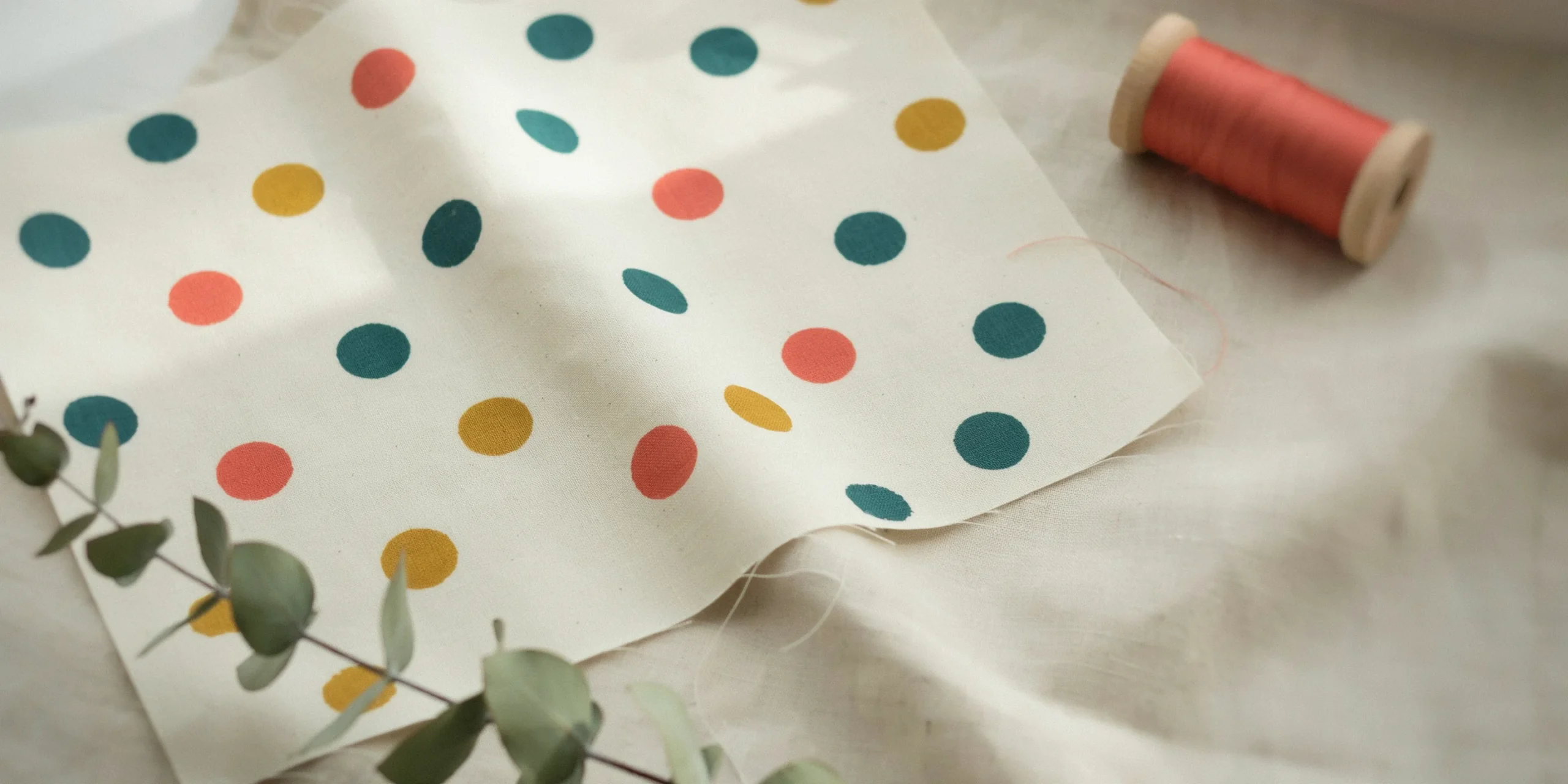
For Spring and Summer 2026, Etsy’s own Seller Trend Report points to a shift away from polished, mass-market looks and toward items that feel handmade and personal. Buyers are searching for hobby kits, polka-dot patterns across apparel and home goods, and “meaningful keepsake” gifts built around names, dates, and inside jokes. The dominant color story mixes calming neutrals with richer expressive tones: teal, coastal and Patina Blue, soft greens, plus brighter fuchsia, mint, and citrus shades.
A few momentum categories worth watching:
- Sculptural and “investment” jewelry. Jewelry is moving from impulse buys toward pieces people keep: oversized hoops, curved cuffs, wavy rings, and recycled-metal or lab-grown diamond settings.
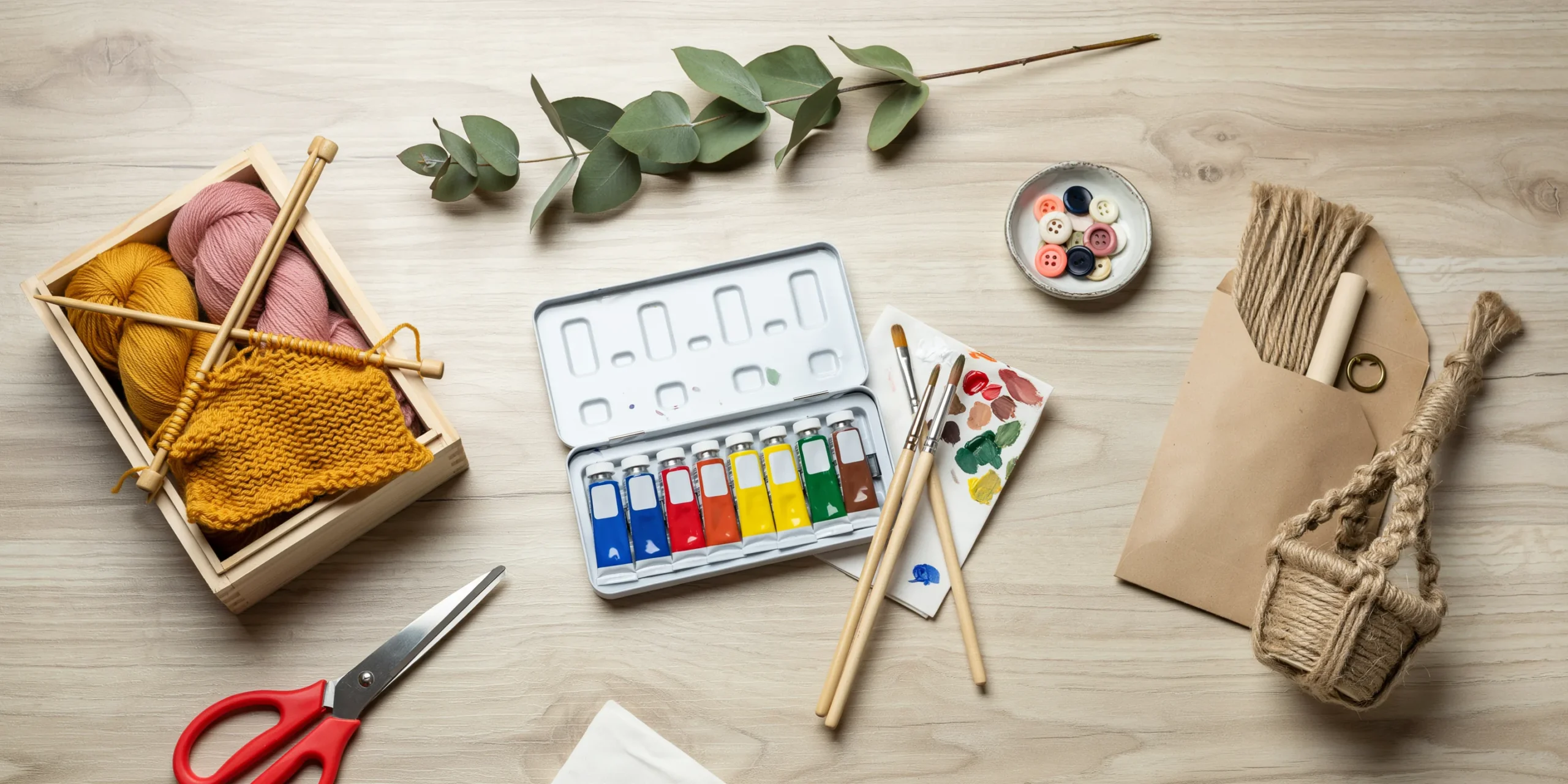
- Hobby and craft kits. Punch-needle, candle, and pottery starter kits ride the slow-living interest and make strong gifts.
- Personalized home decor. Custom name signs, birth-flower prints, and pet portraits keep steady demand because the buyer cannot get the same item anywhere else.
- Aesthetic-driven bundles. Cottagecore, “old-money romance,” and chateaucore looks pull together decor, stationery, and digital printables under one visual theme.
Notice that none of these are single products. They are clusters of demand built around a feeling or a use case, and that is the point. A buyer searching for a polka-dot tote is often the same buyer who wants polka-dot stationery and a polka-dot mug, which means one trend can feed several listings in your shop. Reading momentum at the category level, instead of chasing one viral item, gives you more shots at the same demand.
📈 Trend Signal
Personalization keeps showing up as the through-line across unrelated categories, from jewelry to wall art to apparel. When the same buyer behavior repeats across several niches at once, you are usually looking at a structural shift rather than a single hot product. That is the kind of signal worth building a shop around, not just one listing.
If you want the broader, slower-moving picture behind these momentum items, our breakdown of what’s selling on Etsy covers the macro categories, while the guide to best-selling items on Etsy maps the evergreen categories that sell every season.
Why These Products Are Trending (Seasonal Plus Macro)
Trends rarely move for one reason. The products climbing right now are pushed by a short-term seasonal cycle sitting on top of a few longer macro forces. Reading both layers is what tells you whether to chase a trend or skip it.
The seasonal layer
Calendar demand is the most predictable driver on Etsy. Spring and summer pull buyers toward weddings, graduations, outdoor entertaining, and Mother’s Day gifting, which lifts personalized keepsakes, garden decor, and bright color palettes. Fall flips the same engine toward cozy decor, Halloween, and Thanksgiving tableware. Seasonal trends are reliable but time-boxed, so the money is in listing six to ten weeks ahead of the search peak, not during it. Buyers start browsing for gifts and event items well before the date, and Etsy’s search favors listings that already have views and sales history when demand spikes. Show up after the peak and you are competing against shops that ranked while you were still designing.
The macro layer

Underneath the calendar, a handful of slower shifts shape what people want: a pull toward nostalgia and craft over mass production, rising interest in sustainability (recycled metals, lab-grown stones), and the steady demand for “made just for me” personalization that marketplaces like Amazon cannot easily copy. These forces last years, not weeks, which is why personalized and handmade items keep topping seller reports season after season. The marketplace itself remains large enough to absorb new entrants, with full-year 2025 gross merchandise sales of roughly $11.9 billion (Etsy 2025 10-K) and an active-buyer base that Statista tracks in the tens of millions.
📌 Did You Know?
As of December 31, 2025, the Etsy marketplace had about 86.5 million active buyers and 5.6 million active sellers (Etsy, Q4 and Full Year 2025 results). With buyers slightly outnumbering sellers by roughly 15 to 1, a trend that taps real macro demand has room for new shops, while a saturated fad does not.
How to Tell a Real Trend From a Fad
A real trend has sustained, broad demand and a reason to exist beyond novelty. A fad spikes fast, gets copied faster, and collapses once the new wears off. The difference matters because chasing fads means you arrive late, compete on price, and end up with dead stock or wasted design time.
Here is how the two compare on the signals that actually predict staying power:
Real trend vs passing fad
| Signal | Real Trend | Passing Fad |
|---|---|---|
| Search demand | Climbs steadily over weeks or months | Vertical spike, then a fast drop |
| Spread | Shows up across several niches | Tied to one product or meme |
| Backing | Linked to a macro shift or season | Driven only by a viral moment |
| Competition | Growing but room for new angles | Flooded within days of going viral |
| Repeat sales | Buyers return or buy variations | One-time novelty purchase |
💡 Seller Tip
Before you commit a design, check whether the search demand is still rising or already cooling. A keyword that has been climbing for several weeks and shows up in related categories is safer than one that spiked overnight. Track the direction of demand, not just the current volume. A flat-but-high keyword is often more crowded than a smaller one still on the way up.
How to Catch a Rising Trend Before It Saturates
The profitable window for any trend sits between “early enough that competition is thin” and “late enough that demand is proven.” Hit it by validating with live data instead of guessing, then moving fast once a signal holds.
Validate with live demand, not last year’s list
Static roundups and annual trend reports are a starting point, not a plan. They describe where a category was, often months ago. To act on a trend that is moving right now, you need current demand: which keywords are climbing this week, how saturated the niche already is, and whether sales are spread across many shops or locked up by a few. That is the gap live data fills. You can see exactly how we pull and structure that demand in the methodology, and there is a free sample report that shows the format.
Move on a validated signal fast
Once a trend passes the real-versus-fad check, speed wins. List a small test batch, use the trending keywords in your titles and tags while they are still climbing, and watch your first two weeks of views and favorites. If the signal holds, scale variations; if it stalls, you have risked little. Pair this with deeper Etsy product research so each new listing targets demand you have already confirmed rather than a hunch.
Speed does not mean copying. The shops that hold a trend the longest add a distinct angle, a different color, a personalization option, or a tighter niche, so they are not stuck in a price war with identical listings. Get in early, then make the version that is genuinely yours. That combination of timing and differentiation is what turns a passing search spike into repeat sales.
🛍️ Real Example
Personalized birth-flower jewelry is a good model of catching a trend early. It rides two durable forces at once, the macro pull toward personalization and the seasonal lift around spring weddings and Mother’s Day, so demand returns every year instead of vanishing. Sellers who layered a current aesthetic (sculptural gold, recycled metal) onto that proven base caught fresh search interest without betting on a single viral moment.
If you are still deciding which category to build around, the data-backed guide to what to sell on Etsy walks through how to match a trend to your own skills and margins.
See what’s selling on Etsy right now
Knowing a trend exists is only half the job; the other half is acting before the niche fills up. Podkon tracks live Etsy best-sellers and trends across every category, so you can spot demand before you list.
The trends moving on Etsy right now are not random. They sit where a season meets a longer shift in what buyers value, and that overlap is exactly where a small shop can still get in early. Treat trend reports as a map, then let live demand tell you which roads are still open. The sellers who win in 2026 will not be the ones who spot a trend first, but the ones who confirm it fast and move while the window is still open.