


Etsy marketing is the work of getting the right shoppers to your listings, both inside Etsy through SEO and ads and outside Etsy through Pinterest, social, email, and content. The fastest results come from fixing your on-Etsy basics first, then adding off-Etsy channels that fit your product and pointing all of it at items people are actively buying.
Plenty of sellers pour hours into Instagram and still watch their view count sit flat. The problem is rarely effort. It is usually spreading that effort across the wrong channels, or sending traffic to products that demand has already moved past. This guide breaks Etsy marketing into two buckets, on-Etsy and off-Etsy, shows you how to choose channels by what you sell, and explains how live sales data keeps you promoting the products that are actually selling.
On-Etsy Traffic: The Free Foundation

Most of your traffic will come from inside Etsy before any external channel kicks in. Etsy reports that organic search is one of the largest traffic sources for shops, which makes your listings themselves the first thing to fix. Get these right and every off-Etsy visitor lands on a page that is already built to convert.
Etsy SEO: Titles, Tags, and Attributes

Etsy SEO is how your listings show up when shoppers type a query into the search bar. In its Seller Handbook, Etsy advises targeting highly specific phrases, the exact words a buyer would use, such as “sterling silver birthstone necklace” rather than the broad term “jewelry” (Etsy Seller Handbook). Specific phrases have less competition and attract shoppers who are closer to buying.
Your job is to fill all 13 tags, write a front-loaded title, and complete every attribute Etsy offers for your category. For a full walkthrough of the ranking factors, see our Etsy SEO guide, and for choosing the phrases themselves, our breakdown of Etsy tags covers the long-tail approach in detail.
💡 Seller Tip
A common move among top sellers is to rewrite the first three to four words of every title to match how buyers actually search, not how makers describe their craft. Buyers type “personalized dog mom mug,” not “handcrafted ceramic drinkware.” Put the searched phrase first, because Etsy weights the front of the title more heavily.
Etsy Ads: Paid Placement Inside Search
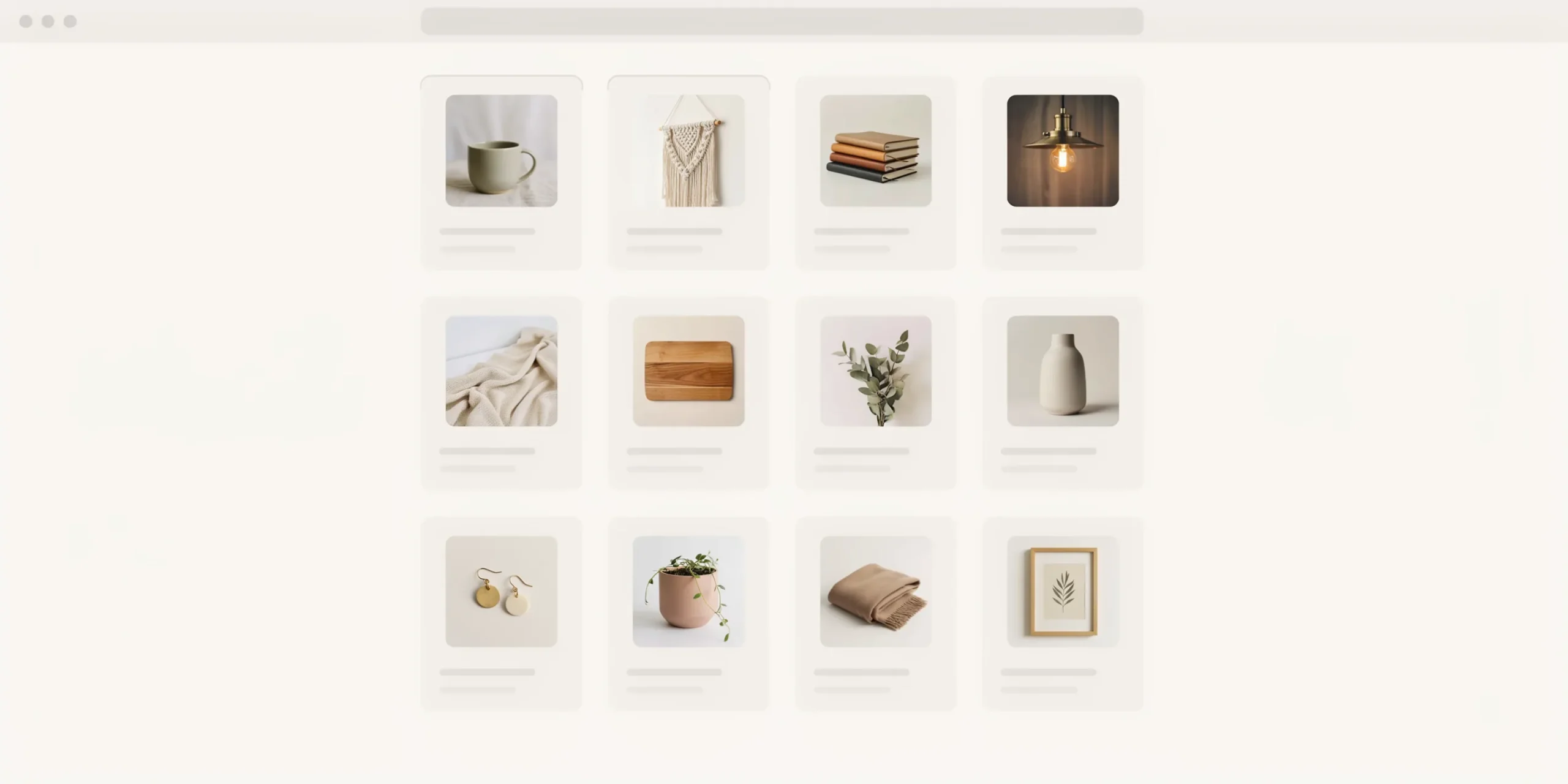
Etsy Ads put your listings in promoted slots across search and category pages. You set a daily budget starting at one dollar, and you pay each time a shopper clicks, whether or not they buy (Etsy Help). Ads work best once a listing already converts well organically, because Etsy uses click and sales history to decide where to place it.
Separate from this is Offsite Ads, where Etsy promotes your listings on Google, Facebook, and other networks and only charges you when that ad leads to a sale. The fee is 15 percent for shops under 10,000 dollars in annual sales and 12 percent for shops above that, and high-volume shops cannot opt out (Etsy Help). Treat that fee as a cost of getting external reach you would otherwise pay for yourself.
⚠️ Common Mistake to Avoid
Turning on Etsy Ads for your entire shop on day one and then judging the results after a week. Listings with no sales history have nothing for Etsy to optimize, so your budget burns on clicks that rarely convert. Start ads on your proven best-sellers only, give each campaign at least 30 days, and cut listings whose cost per click never turns into orders.
Sales, Coupons, and Reviews
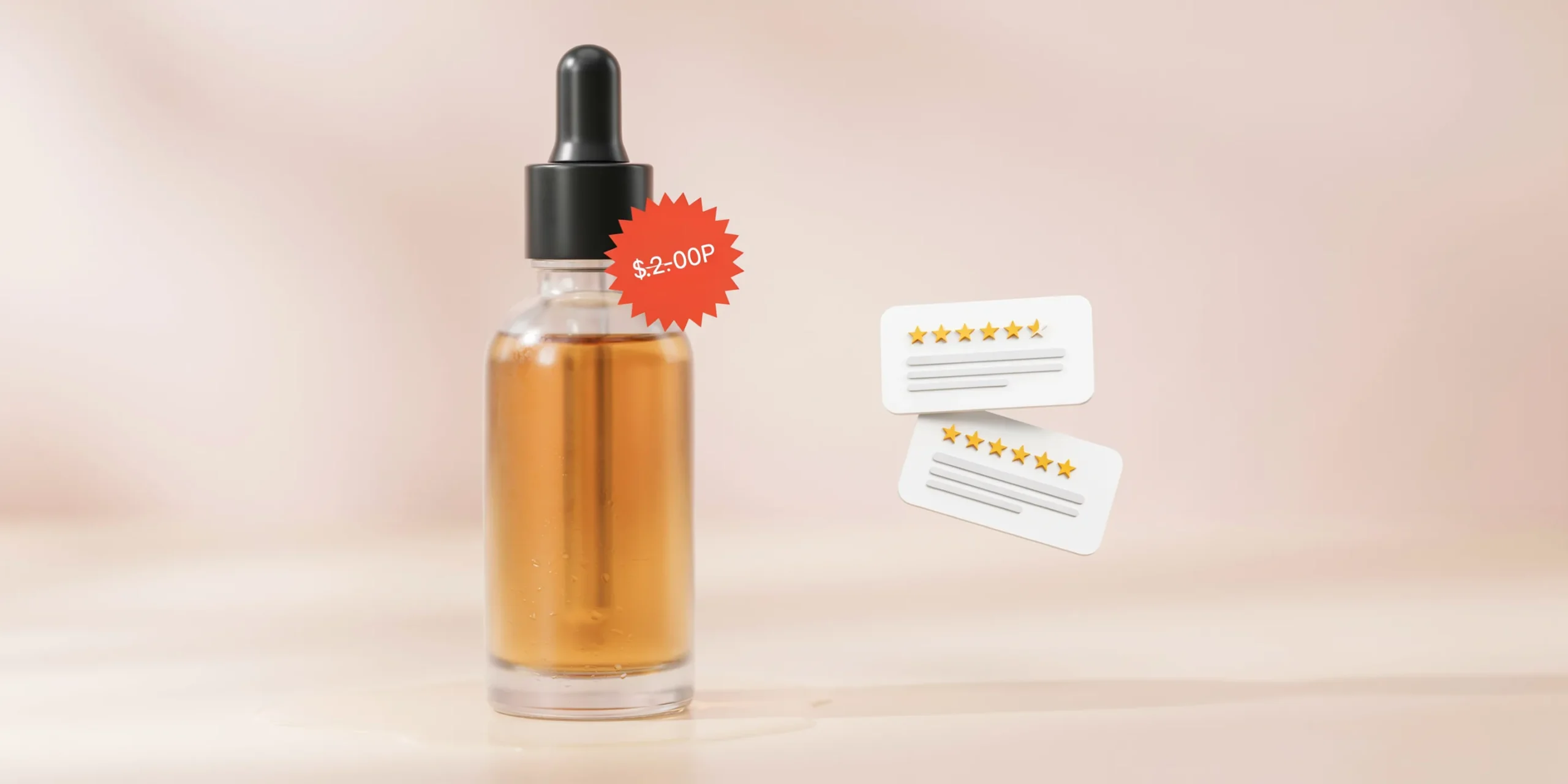
Promotions and reviews quietly drive traffic too. A running sale adds a price-drop badge that catches the eye in search, and Etsy surfaces shops with active offers in some buyer emails. Coupons sent to past customers bring repeat visitors who already trust you, and every new review feeds the social proof that lifts conversion on the visitors you already have. None of this costs ad spend, so build it into your routine before scaling paid channels.
Reviews deserve special attention because they influence both rank and trust. Add a short, friendly thank-you note to every order asking happy buyers to leave a review, and respond politely to any that fall short. A shop sitting at a 4.9 rating with hundreds of reviews converts cold traffic far better than a new shop with three, which means the same number of visitors turns into more sales the longer you keep this habit going.
Off-Etsy Traffic: Where to Promote Your Shop

Off-Etsy marketing brings in shoppers who were not searching Etsy at all, and it builds an audience you control rather than rent. Etsy actively encourages sellers to promote on social platforms and link back from an optimized About page. The trick is to pick one or two channels and work them well instead of posting everywhere at half strength.
Pinterest: The Search Engine Sellers Underuse
Pinterest behaves more like a visual search engine than a social feed, which suits Etsy products well. Pins keep driving clicks for months after you post, unlike a feed post that disappears in hours. Pinterest reports that 80 percent of its weekly users feel inspired to shop on the platform, a far higher share than most social platforms (Sprout Social). For a step-by-step setup, our guide to Pinterest for Etsy covers boards, pin design, and keywords.
📌 Did You Know?
Pinterest reached a record 631 million monthly active users in the first quarter of 2026, after crossing 600 million in the third quarter of 2025 on the back of nine straight record quarters (Sprout Social). Because pins are indexed by Google as well, a single well-tagged pin can pull search traffic from two engines at once.
Instagram and TikTok: Show the Product in Use
Instagram and TikTok reward short video that shows your product in real life, the packing process, a before and after, the item on a desk or a wall. These platforms build brand recognition and trust, but they send less direct purchase traffic than Pinterest because users are mostly there to browse. They pay off most for visual, giftable, or trend-driven products where seeing the item in motion does the selling. Keep a clean link in your bio that points to your shop, and treat the platform as top of funnel rather than a checkout line.
Email: The Channel You Actually Own
Your email list is the one audience no algorithm can throttle. Email marketing returns an average of roughly 36 dollars for every dollar spent across industries, with ecommerce often higher (Litmus). Collect addresses by adding a small printed insert to orders inviting buyers to join your list for restocks and early access, since Etsy does not hand you customer emails for marketing directly.
💡 Seller Tip
Send one simple email whenever you launch a new product or restock a sold-out item. Past buyers convert far better than cold traffic, and a same-day note to your list often pushes a fresh listing into Etsy’s algorithm with early sales, which then lifts its organic rank. Your email list and your Etsy SEO feed each other.
Blogging and Content
A blog or a content hub works slowly but compounds. Articles answering buyer questions, such as how to choose a size or style a piece, rank in Google and funnel readers to your listings for years. This channel suits sellers in niches where buyers research before they purchase, like wedding decor, home organization, or hobby supplies. If writing is not your strength, treat it as a long-term project rather than a quick traffic fix.
One practical way to start is to write a single buying guide per product line and link it from your listings and your email. That guide can rank, capture search traffic, and double as content you reuse on Pinterest and in newsletters. The point of off-Etsy work is not to be loud on every platform, it is to build a few assets that keep sending shoppers your way without daily effort.
How to Pick Channels by Product Type
You do not need every channel. The right mix depends on what you sell, how visual it is, and whether buyers research first or buy on impulse. Use the table below as a starting point, then double down on whichever channel shows early traction in your Etsy Stats.
Channel Fit by Product Category
This table maps common Etsy product types to the channels that tend to perform best for them.
| Product Type | Best Channels | Why |
|---|---|---|
| Home decor, wall art | Pinterest, Etsy SEO | Highly visual and saved for later projects |
| Jewelry, accessories | Instagram, Etsy Ads | Impulse buys that sell on styling and lifestyle shots |
| Digital downloads, printables | Pinterest, blogging, email | Search-driven and easy to bundle into content |
| Personalized gifts | Etsy SEO, Etsy Ads | Strong in-platform search demand around occasions |
| Craft supplies, niche hobby goods | Email, blogging, Etsy SEO | Repeat buyers who research and reorder |
For a wider look at the apps and platforms that support these channels, our roundup of the best Etsy seller tools covers scheduling, design, and analytics options.
Let Live Demand Guide What You Market
The smartest marketing decision is upstream of any channel: promote products people are buying right now. A perfect Pinterest strategy still falls flat if it points at a style that peaked six months ago. Demand on Etsy shifts with seasons, trends, and viral moments, so the products worth your ad budget and your best pins change through the year.
📈 Trend Signal
Seasonal and gift-driven categories tend to spike weeks before the event itself, so the marketing window opens earlier than most sellers expect. Watching which listings and niches are climbing in real time lets you put ad spend and content behind a rising product instead of one already past its peak.
This is where current sales data beats a static “what to sell” list. Instead of guessing, you can see which products and niches are gaining orders and aim your marketing there. Pair that with our overview of what’s selling on Etsy and our guide to what to sell on Etsy to connect demand signals to specific product moves.
See what’s selling on Etsy right now
Marketing the right product matters more than mastering any single channel. Podkon tracks live Etsy best-sellers and trends across every category, so you can spot demand before you list and point your ads, pins, and emails at items already on the rise.
✅ Key Takeaways
- Fix on-Etsy basics first: specific-phrase SEO, complete tags, and ads on proven best-sellers.
- Etsy Ads charge per click; Offsite Ads charge 12 to 15 percent only after a sale.
- Pinterest suits visual and search-driven products, with 80 percent of weekly users saying it inspires them to shop.
- Email is the audience you own, with an average return near 36 dollars per dollar spent.
- Match channels to your product type instead of trying to be everywhere at once.
- Aim every channel at products demand is rising for, not last season’s winners.