


Pinterest for Etsy works because the platform behaves like a visual search engine, not a social feed. People arrive ready to plan and buy, your pins keep surfacing for months, and a single saved pin can send clicks long after you post it. That combination makes it one of the best free traffic sources an Etsy seller can build.
Most sellers treat Pinterest like Instagram, post a few product photos, see nothing happen, and quit. The difference is that a pin is a long-lived search result, not a momentary post. When you set it up as a traffic channel and feed it pins that match what shoppers actually search for, Pinterest for Etsy can quietly become your second-biggest source of shop visits behind Etsy search itself.
Why Pinterest fits Etsy so well
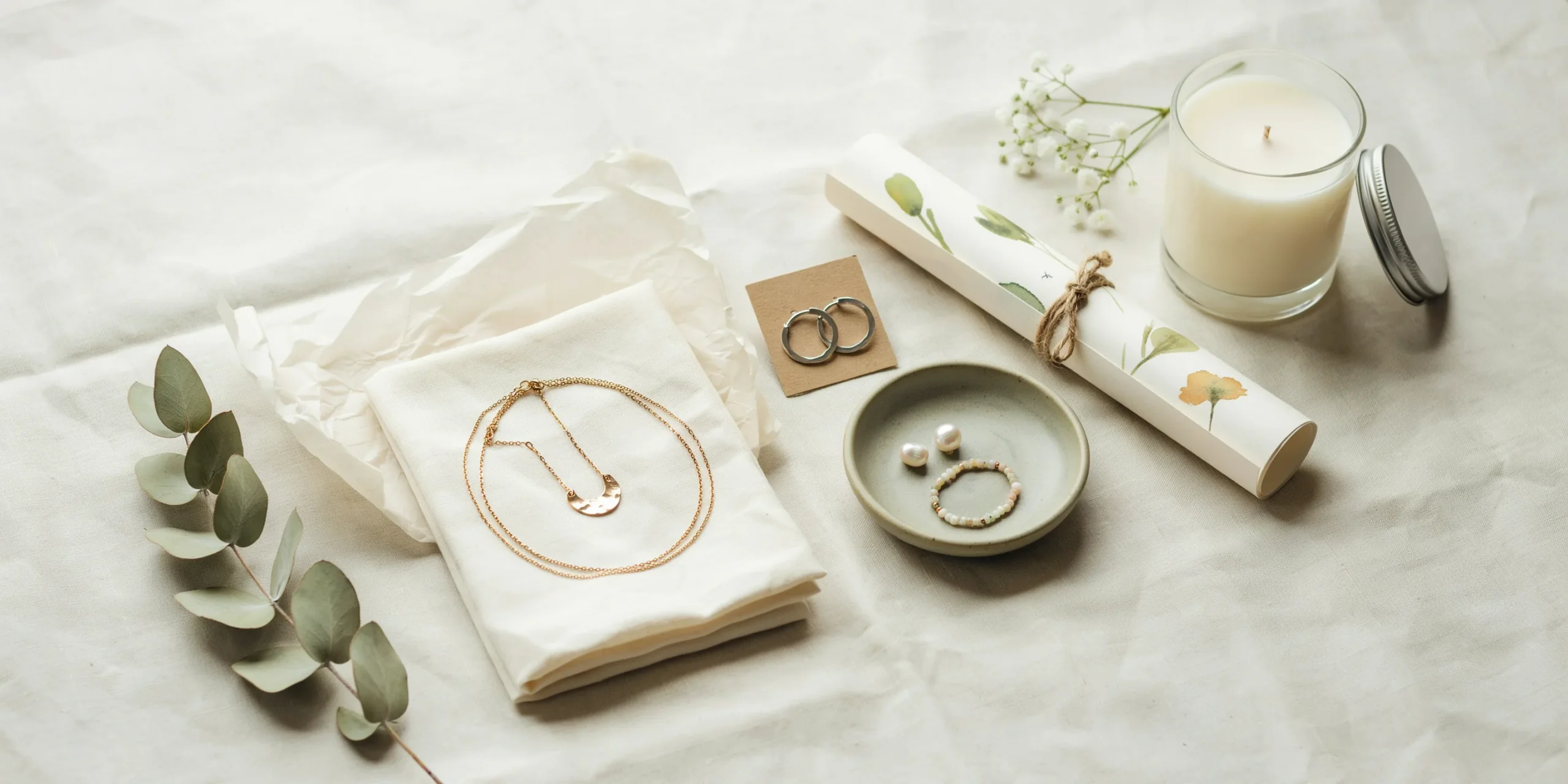
Three traits make Pinterest and Etsy a natural match: the audience is visual, it is in a buying mindset, and the content lives far longer than a typical social post.
Etsy products are visual and giftable, which is exactly what people search for on Pinterest. The intent is unusually high too. Pinterest reports that 80% of its weekly users say they feel inspired to shop on the platform, and 96% of its top searches are unbranded, meaning shoppers are open to discovering a new shop rather than hunting for a name they already know (Pinterest for Business). That is the perfect setup for a small Etsy seller competing against bigger brands.
Reach is not the bottleneck either. Pinterest hit an all-time high of 600 million monthly active users in Q3 2025 (Pinterest Q3 2025 results). The real advantage for sellers is content lifespan: a well-optimized pin can keep pulling in saves and clicks for months or years, while an Etsy ad stops the moment your budget runs out.
📌 Did You Know?
Pinterest functions more like a search engine than a social network. Pins are indexed by keywords and resurface in search and related feeds long after posting, so a pin you publish today can still drive Etsy clicks next holiday season. That is why early Pinterest traffic often looks flat for a few weeks, then compounds.
How to set up Pinterest for your Etsy shop

Skip the personal account. You need a free Pinterest business account to reach shoppers and read the data that tells you what is working.
Create a business account and connect Etsy

A business account gives you Pinterest Analytics, ad tools, and richer profile features that a personal account hides. If you started on a personal profile, you can convert it in settings without losing your existing pins. Fill out your profile with your shop name, a keyword-aware bio, and a profile photo or logo so your brand reads clearly at thumbnail size.
Next, connect your Etsy account under your claimed accounts in Pinterest settings. Pinterest retired the old domain-claim flow for Etsy, but connecting the account still tells Pinterest where your content leads and helps it categorize your pins (Pinterest Business Help).
Turn on Rich Pins
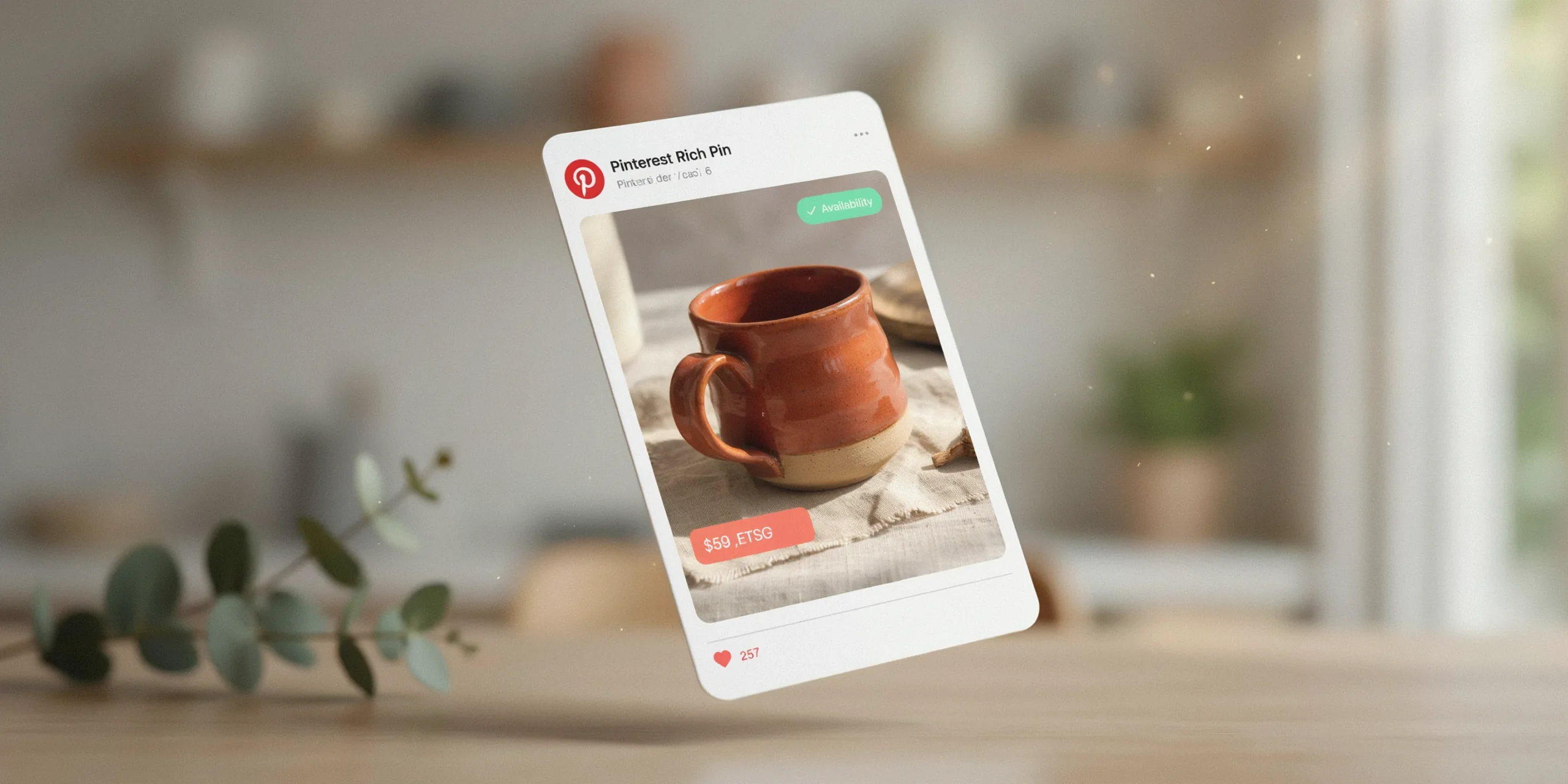
Rich Pins pull live details from your listing, such as price, availability, and a direct title, straight onto the pin. A pin that shows the current price and an in-stock label signals real purchase intent and looks far more credible than a bare image. Once your Etsy account is connected, these details typically populate automatically, often within a day or two. If you also run a blog or website tied to your shop, you can enable Rich Pins there to power product and article pins as well.
💡 Seller Tip
A common move among top sellers is to build boards around shopper problems, not product types. Instead of one board called “My Shop,” create boards like “Boho Nursery Decor Ideas” or “Personalized Groomsmen Gifts.” Those board names are themselves searchable, and each gives your listings a relevant, keyword-rich home.
Designing pins that get clicks
Your listing photo is built for the Etsy grid. Your pin needs to win a vertical, mobile feed, so design it on purpose rather than reusing the same square image.
Use a 2:3 vertical ratio (1000 x 1500 px is the standard). Vertical pins take up more screen space and consistently outperform square or horizontal images. Lead with a clear, well-lit photo of the product in use or styled in context, then add a short text overlay that names the product or the benefit. Keep that text large enough to read on a phone, since most pins are seen on mobile.
Create several different pin designs for the same listing rather than one. Different images, crops, and text angles let you test what resonates and give a single product many chances to appear in search. For inspiration on shooting images that travel well, our guide to Etsy product photography covers lighting and styling that work on Pinterest too.
⚠️ Common Mistake to Avoid
Many sellers pin one image per listing and call it done, then wonder why traffic stalls. Pinterest rewards fresh content, so the same product needs new pin designs over time. Recycle your best listings into new images, text overlays, and seasonal angles instead of leaving each product with a single static pin.
Pinterest SEO: getting found in search
Pinterest ranks pins by keywords, just like Etsy ranks listings. If you already understand Etsy SEO, the logic carries over: find the words shoppers type, then place them where the algorithm reads them.
Start in the Pinterest search bar. Type a seed word related to your product and note the auto-suggested terms and the colored keyword tiles that appear under the results. Those are real searches people run. Work those phrases into four places: your pin titles, your pin descriptions, your board names and board descriptions, and the alt or filename text on your images. Write naturally and avoid stuffing, because Pinterest, like Etsy, favors readable, relevant text over keyword spam.
Match your language to buyer intent. “Custom dog portrait gift” pulls a shopper closer to checkout than a vague “cute dog art,” because it mirrors how people actually search when they plan to buy.
Linking pins back to your listings
Every product pin should link to the most relevant destination, usually the exact Etsy listing it shows. Sending a shopper who clicked a specific mug to your shop homepage adds friction and loses sales. Link the pin straight to that mug’s listing page. If you run a blog, you can also link pins to a post that features several products and routes readers to multiple listings, which spreads the traffic across your catalog.
How often should you pin?
Consistency beats volume. A steady cadence of a handful of quality pins per day signals an active account to Pinterest and tends to outperform dumping 50 pins once a month and going quiet.
For most sellers, a sustainable rhythm is 3 to 10 pins per day, mixing fresh designs of your products with the occasional relevant repin. Use a scheduler to batch a week of pins in one sitting so you are not posting manually every day. Then check Pinterest Analytics weekly to see which pins earn the most saves and outbound clicks, and make more of what works.
💡 Seller Tip
Pin seasonally early. Pinterest searches for holidays and events spike 30 to 45 days before the date, so publish your Christmas, Valentine’s, or wedding-season pins weeks ahead. Pinning for a holiday the week of barely moves the needle, while pinning a month out lets the algorithm build momentum.
Align your pins with what is actually selling
The fastest way to waste Pinterest effort is to promote products nobody is buying. Pinterest amplifies demand, it does not create it, so your pinning should follow real buyer interest.
Before you spend hours designing pins, check which of your products and which broader categories are trending on Etsy right now. Lean your pinning toward listings with proven or rising demand, then layer Pinterest’s own seasonal trends on top. If you want to start from what shoppers are buying this month, see what’s selling on Etsy and our breakdown of what to sell on Etsy for category-level direction.
📈 Trend Signal
Demand on Etsy shifts week to week, especially in gifting and seasonal niches. Pins built around a product that is rising in real Etsy sales tend to gain traction faster, because Pinterest interest and marketplace demand are climbing at the same time. Pinning to the trend instead of behind it is the edge.
Pinterest fits neatly into a wider off-Etsy strategy, so treat it as one channel inside your full Etsy marketing plan rather than a standalone fix.
See what’s selling on Etsy right now
Pinning is only worth the effort when it points at products people are buying. Podkon tracks live Etsy best-sellers and trends across every category, so you can find your next product to pin before the demand peaks. Explore the data tools to see how it works.
Your Next Step: Switch to a Pinterest business account, connect your Etsy shop so Rich Pins turn on, and build three keyword-named boards around your top-selling listings. Design two vertical pins for your best-selling product this week, then schedule a steady daily cadence and let the saves compound.